Clay-rich Piedmont soils
Metro Atlanta sites commonly encounter clay-rich residual soils, but bearing, fill and groundwater conditions vary. Ask how the builder will evaluate the actual excavation and structural conditions.
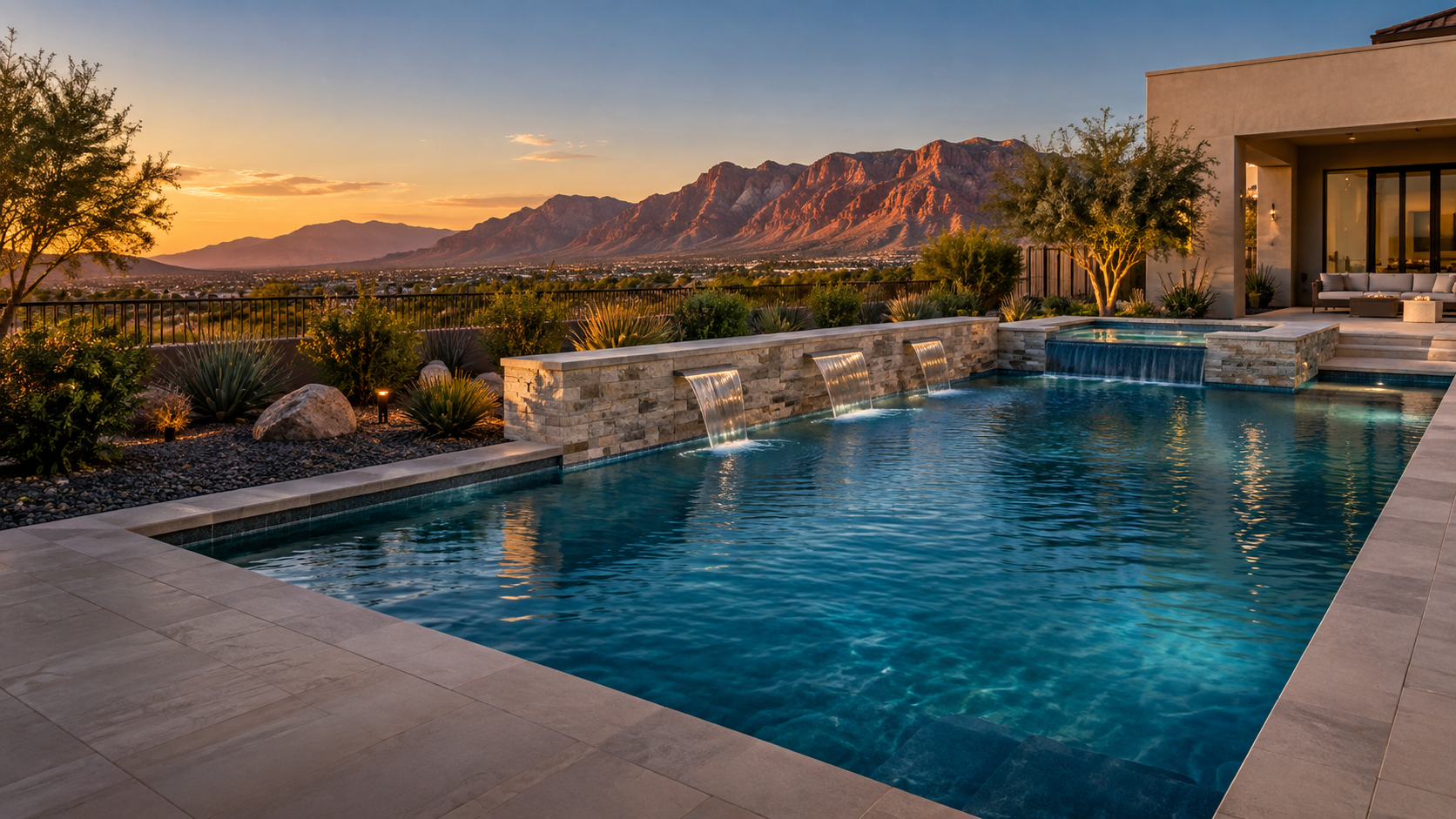
Atlanta’s long warm season makes a backyard pool attractive, but Piedmont soils, heavy rain, mature trees, tight access and separate city or suburban permit rules can change the design. Compare the complete plan—not only the shell price.
Find an Atlanta Pool BuilderYour ZIP code and project details help identify a builder serving the correct Atlanta-area jurisdiction.
A useful estimate accounts for the property, not just the pool dimensions.
Metro Atlanta sites commonly encounter clay-rich residual soils, but bearing, fill and groundwater conditions vary. Ask how the builder will evaluate the actual excavation and structural conditions.
Intense rain can expose poor grading. Confirm where deck runoff, roof water and overflow will go without sending water toward the house or a neighboring lot.
Mature roots, retaining needs and narrow side yards can affect equipment access, spoil removal, crane use, layout and restoration costs.
Plan for humid summers, leaf and pollen loads, storm debris and occasional winter freezes. Compare automation, circulation, cover options and freeze protection.
A postal address described as “Atlanta” may sit inside the City of Atlanta or another municipality or unincorporated county area. The property address determines the reviewing authority.
Confirm plan review, trade permits, setbacks, inspections and required safety barriers with the local building office before work starts.
Architectural approval is separate from a government permit. Check drawings, equipment screening, fences, work hours and access rules early.
Ask whether grading, impervious-surface, tree or stormwater requirements affect the chosen layout.
Verify the contractor responsible for the contracted scope and any electrical, gas or plumbing work using current state and local records.
Request line items for design and engineering, permits, utility locating, excavation and export, structural work, interior finish, coping, decking, drainage, electrical and gas work, equipment, startup, cleanup, inspections, allowances, exclusions, payment milestones and warranty responsibility.
An inground pool project generally involves local plan review, permits and inspections. The exact package depends on the property address, pool design and related electrical, gas, grading, tree or retaining work. Confirm the current requirements with the authority having jurisdiction before construction.
Search the Georgia Secretary of State license verification portal for the individual or business responsible for the contracted scope. Confirm the license classification, status and name on the agreement; then request current insurance and verify any specialty trades.
Clay-rich soils may drain slowly, while slopes and heavy storms can concentrate runoff. Ask for finished elevations and a written explanation of deck drainage, overflow routing and how runoff will be kept away from structures and neighboring properties.
Possibly. A permit does not replace private covenant or architectural-review requirements. Obtain HOA approval when applicable before relying on the construction schedule.
The request form can be used for Atlanta and nearby communities such as Sandy Springs, Brookhaven, Decatur, Dunwoody, Alpharetta, Roswell, Marietta and Smyrna. Each municipality or county may apply different review procedures, so the project ZIP code matters.
We review your location and project preferences, then help connect you with a local pool builder serving your ZIP code. Before hiring, independently confirm licensing, insurance, permits, warranties and the complete written scope.
Rules change. These official sources are starting points; the property’s reviewing authority controls the project.